
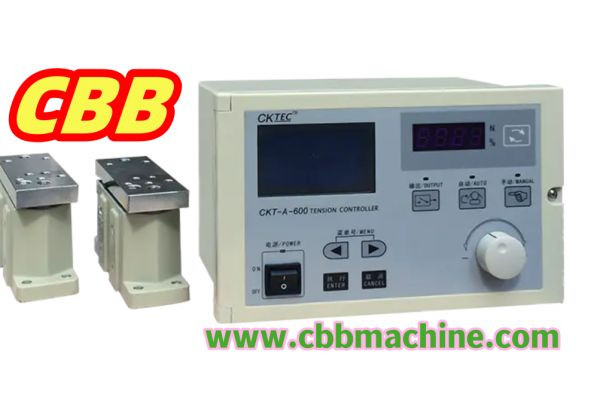
In continuous processing environments, balance is rarely accidental. A well-designed Tension Controller allows machines to respond smoothly to subtle changes in material behavior, and Cbbmachine approaches this function as a practical tool rather than a theoretical concept. By focusing on stable feedback and measured response, the system supports consistent movement without forcing materials into rigid patterns.
Tension management influences nearly every stage of converting, winding, coating, and laminating operations. When force is applied unevenly, materials may stretch, wrinkle, or drift off alignment. A responsive control approach helps maintain equilibrium by adjusting output in real time, allowing each section of the line to remain coordinated with the rest. This harmony reduces unnecessary stress on both the product and the equipment.
One often overlooked advantage of controlled tension lies in operator confidence. When a line behaves predictably, adjustments become intuitive rather than reactive. Instead of constant intervention, teams can focus on monitoring quality and planning upcoming tasks. Over time, this shift supports a calmer working rhythm and clearer communication between operators and maintenance staff.
Adaptability also plays a central role. Different substrates react differently to force, speed, and environmental conditions. A control solution that can accommodate these variations without complex recalibration fits well into facilities that handle diverse orders. Such flexibility supports shorter changeovers and encourages experimentation with new materials or formats, helping businesses remain responsive to evolving demands.
From a maintenance perspective, stable control contributes to longer component life. Sudden spikes or fluctuations can accelerate wear on rollers, motors, and bearings. By smoothing transitions and maintaining steady conditions, the overall mechanical system experiences less fatigue. This does not eliminate maintenance, but it helps make it more predictable and manageable within regular schedules.
Integration with existing equipment is another important consideration. Modern production lines often combine components from different generations or suppliers. A thoughtfully designed control unit can communicate effectively within these mixed environments, supporting gradual upgrades rather than forcing complete replacement. This approach aligns with practical investment strategies focused on continuity and long-term planning.
Beyond technical performance, tension control reflects a broader philosophy of manufacturing. It emphasizes listening to material behavior instead of overpowering it. By responding rather than resisting, production becomes more sustainable, efficient, and aligned with quality expectations. This mindset resonates with manufacturers seeking steady improvement rather than dramatic overhauls.
For readers interested in seeing how these principles are translated into real-world solutions, a deeper story unfolds online. Follow the trail of ideas, applications, and possibilities by visiting https://www.cbbmachine.com/news/industry-news/tension-controller-types-importance-applications-and-more.html , where the next insight may be just one thoughtful click away.








हमारी टीम Apna Tube को बहुत बडें लेवल पर ले जाने की कोशिश कर रही है !
हमने आपके चैनल को सब्सक्राइब कर लिया है, आप भी हमारे चैनल पर विजिट कीजिए अगर आपको भी लगता है कि आपको भी सब्सक्राइब करना चाहिए तो जरूर कीजिए
और इस Mission🎯में हमारा साथ दीजिए।
आप का पहला लक्ष्य अकाउंट को मोनेटाइज करना होना चाहिए ये वीडियो आप की मदद करेगा!
https://apnatube.in/v/JUw83c
जय हिंद🇮🇳
(Team अपना उत्तराखंड )..