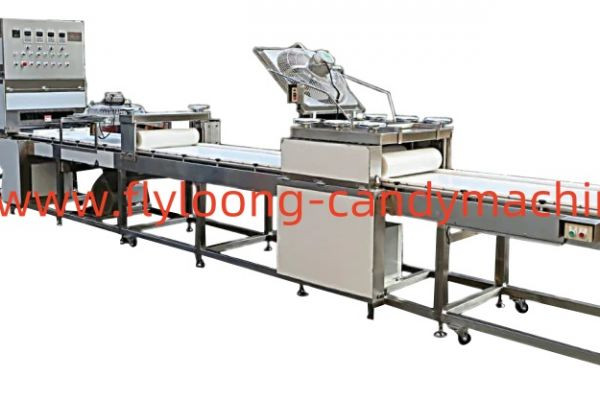
Flyloong Hard Candy Machine is often introduced into candy plants when manufacturers begin facing recurring production challenges that affect efficiency, labor balance, and product consistency. As candy production scales, manual processes and outdated systems can struggle to keep up with modern expectations. Understanding which challenges can be reduced through equipment selection helps plants plan more stable and predictable operations.
One common challenge in candy plants is production bottlenecks caused by uneven workflow between cooking, forming, and cooling stages. When these steps are not well synchronized, materials may accumulate or slow down unexpectedly. A structured candy processing setup helps maintain a steady pace, allowing each stage to operate without constant stops or rushed adjustments. This type of flow control supports better coordination across the production line.
Downtime is another concern that frequently affects daily output. Candy plants often experience short but repeated pauses due to adjustments, cleaning needs, or minor misalignments. Over time, these interruptions can impact scheduling and labor efficiency. Equipment designed for continuous operation helps reduce the need for frequent intervention, allowing operators to focus on monitoring rather than reacting to small disruptions throughout the shift.
Output consistency also presents challenges, especially when production volumes increase. Variations in candy size, shape, or surface quality can occur when processes rely heavily on manual control. A more standardized production approach helps manage these variations by keeping forming and handling steps stable over longer runs. This reduces rework and supports more predictable packaging and storage planning.
Labor pressure is another issue many candy plants face. As demand grows, relying solely on manual tasks can lead to fatigue, uneven performance, and higher training requirements. By introducing automation into specific stages, plants can ease physical workloads while keeping experienced staff focused on quality checks and process supervision. This balance helps maintain steady output without overextending production teams.
Material handling inefficiencies can also affect production flow. Sticky or temperature sensitive candy products require careful movement between stages. When handling is inconsistent, it can lead to product loss or delays. A well integrated system supports smoother transfers, helping materials move through the line with fewer interruptions and less manual correction.
Flexibility is increasingly important for candy plants that produce multiple product types. Switching between formats or adjusting production schedules can become challenging without adaptable equipment. Machines designed to accommodate different operating conditions allow plants to respond to market needs without extensive downtime or complex reconfiguration.
In the long term, addressing these challenges contributes to more stable planning and clearer production forecasting. Plants benefit from fewer unexpected stoppages, improved coordination between teams, and better use of floor space. Selecting equipment that aligns with actual production conditions rather than ideal scenarios helps manufacturers build processes that remain reliable over time.
To see how candy production solutions are structured for modern manufacturing environments, visit https://www.flyloong-candymachine.com/product/